Featured
Maldives · March 2026 · 8 min read
Why Gaafaru Island Is the Maldives Most Tourists Miss
Everyone pictures Maldives as overwater bungalows and $500/night resorts. I found something completely different on a tiny island where locals live — and it changed the way I travel forever.
Read the Story
Why Gaafaru Island Is the Maldives Most Tourists Miss
Maldives · March 2026 · 8 min read
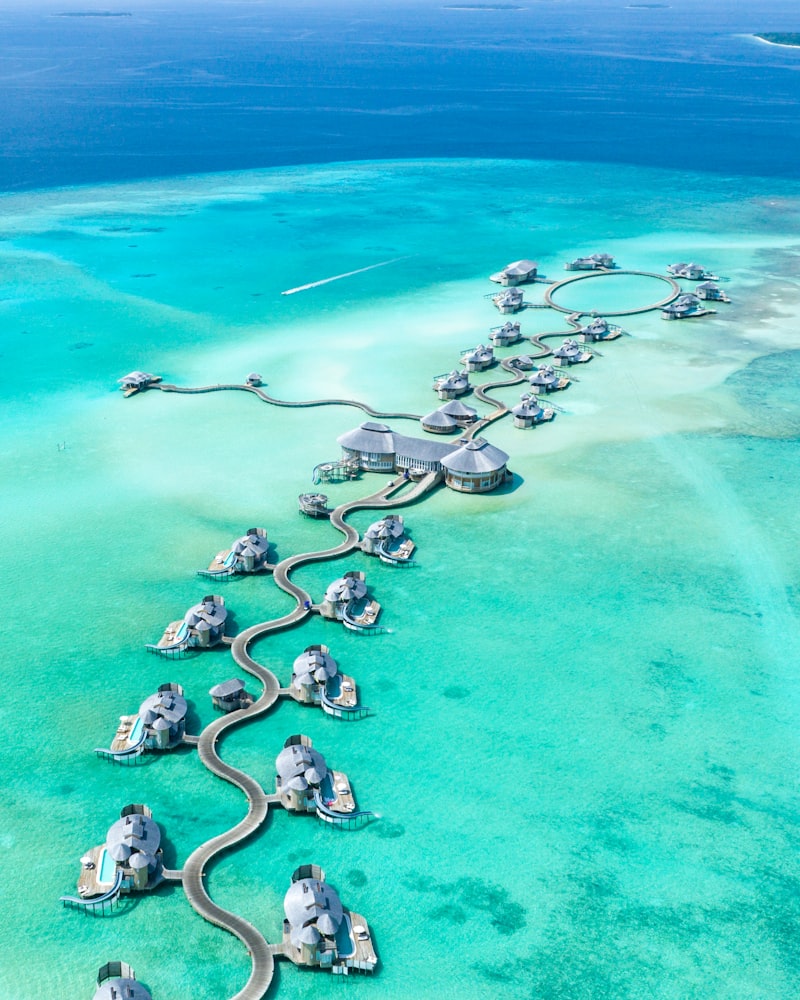
When most people think of the Maldives, they picture the same thing: overwater bungalows, turquoise infinity pools, and a price tag that makes your stomach drop. And sure, those resorts exist. But that's not the Maldives I fell in love with.
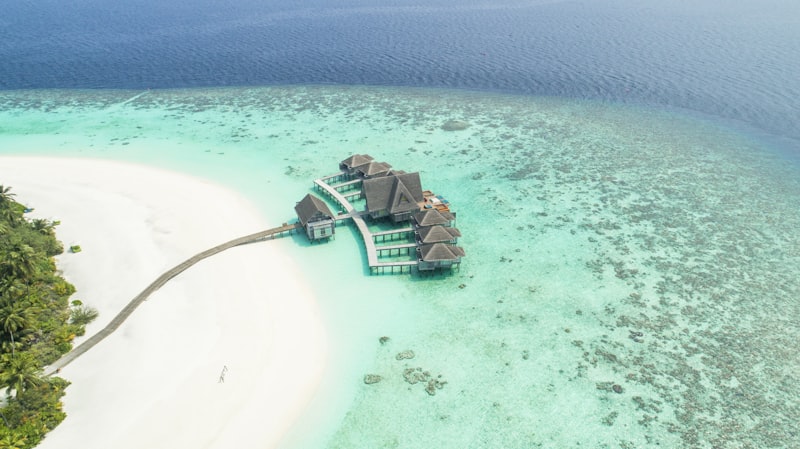
I found Gaafaru Island almost by accident. It barely showed up on Google Maps. There were no influencer photos, no luxury resort reviews, no "top 10" lists featuring it. Just a tiny island in the Kaafu Atoll, about two hours by speedboat from Malé, where fewer than 1,500 people live.
And honestly? It was the most authentic travel experience I've ever had.
What Makes Gaafaru Different
Gaafaru is a local island — meaning it's not a private resort island. You stay in guesthouses run by Maldivian families. You eat at local restaurants where the fish was caught that morning. You walk the sandy streets alongside people who actually live there.
There's no pretence. No buffet. No wristband. Just real Maldivian life happening around you while you snorkel over some of the most untouched reefs I've ever seen.
The Diving Changed Everything
Gaafaru sits right on a migration route for whale sharks and manta rays. I'm not exaggerating when I say I swam with whale sharks on my second day there. The dive guides are local, the boats are small, and you're not fighting 40 other tourists for a photo. It felt like a secret that hadn't been spoiled yet.
The house reef is walkable from the beach — literally wade in and you're surrounded by reef sharks, sea turtles, and coral that actually looks alive. After years of seeing bleached reefs in tourist-heavy destinations, Gaafaru felt like going back in time.
The Real Cost
Here's what most people don't realise: you can do the Maldives on a real budget if you skip the resort islands. My guesthouse on Gaafaru cost a fraction of what you'd pay at a resort. Meals were $5–$10. Dive trips were genuinely affordable. The whole trip — flights included — was less than what some people pay for two nights at a resort.
I wrote everything down — every cost, every tip, every hidden spot — and turned it into The Maldives Insider Guide. It's the book I wish I'd had before I went.
Would I Go Back?
In a heartbeat. Gaafaru is the kind of place that reminds you why you started travelling in the first place — not for the Instagram photo, but for the feeling of being somewhere truly new. Somewhere that hasn't been packaged and sold to you yet.
If you're thinking about the Maldives and you want the real version, start with Gaafaru. And if you want the full guide — every restaurant, every dive spot, every budget hack — grab the ebook here.
The Thailand Islands That Haven't Been Ruined Yet
Thailand · November 2025 · 7 min read
Let's be honest — Phuket is a shopping mall with a beach. Koh Samui has been swallowed by all-inclusive resorts and Russian menus. Koh Phi Phi? A drunk backpacker theme park. If you're going to Thailand for islands that actually feel like islands, you need to look further.
I spent three weeks hopping between Thai islands that most tourists skip entirely. Here are the ones that are still worth it.
Koh Lipe
This tiny island in the Andaman Sea, near the Malaysian border, is what Koh Phi Phi looked like 20 years ago. Crystal-clear water, no cars, and beaches that aren't wall-to-wall with sunbeds. The snorkelling straight off Sunrise Beach is better than most paid dive trips I've done. Getting there takes effort — you'll need a speedboat from Pak Bara — but that's exactly what keeps it special.
Koh Yao Noi
Sitting in the middle of Phang Nga Bay, Koh Yao Noi is surrounded by the same dramatic limestone karsts that people pay to see on James Bond Island tours — except here, you wake up to them from your balcony. The island is mostly Muslim fishing communities, the pace is slow, and tourism hasn't taken over. Rent a scooter, eat at the local markets, and watch the sun set over the karsts. That's it. That's the whole plan.
Koh Kood
Koh Kood (or Koh Kut) is Thailand's fourth-largest island, and somehow barely anyone goes there. The waterfalls are real, the mangrove forests are untouched, and the beaches are the kind of empty that makes you think you've made a wrong turn. The trick is that it's far from Bangkok — near the Cambodian border — so most weekend tourists never make it. Perfect.
Koh Mak
Koh Mak is Koh Kood's quieter neighbour. It declared itself a "low carbon destination" and genuinely means it — no jet skis, no big chain hotels, just coconut plantations and rubber trees. If you want to do nothing for three days and feel great about it, Koh Mak is your island.
The Takeaway
Thailand's islands aren't ruined — you're just going to the wrong ones. Skip the full-moon party islands. Get on a longer boat ride. Go where the Wi-Fi is bad and the water is clear. That's where Thailand still lives.